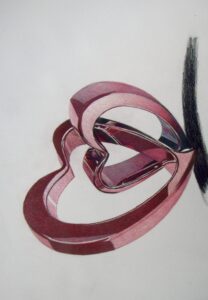
Sketching is one of the most beautiful and expressive forms of art. With just a pencil and paper, an artist can capture emotions, bring ideas to life, and create timeless pieces that connect with people. If you’re a beginner sketch artist and want to improve your skills, learning the right techniques from the start is the key to growing as an artist.
In this blog, we’ll explore the top techniques every beginner sketch artist should learn to build a strong foundation.

1. Mastering Basic Shapes
Every great sketch Artist starts with simple shapes. Circles, squares, ovals, and triangles form the foundation of complex drawings. For example, a face can be broken down into ovals, while a building may start with rectangles. Practicing these shapes daily will train your hand to create cleaner, more accurate sketches.
2. Understanding Proportions
Proportion is the balance of size and placement in your drawing. A face with misplaced eyes or hands that are too large can look unnatural. Beginners should practice proportion guides, such as the rule of thirds for faces or dividing the body into equal sections for human figures. This technique ensures your sketches look realistic and well-balanced.
3. Learning Different Line Types
Lines are more powerful than you think. From bold outlines to delicate curves, every line tells a story. Beginners should experiment with:
- Thick vs. thin lines
- Straight vs. curved lines
- Continuous vs. broken lines
This variety adds depth, energy, and movement to sketches.
4. Practicing Shading Techniques
Shading Sketch Artist is what transforms a flat drawing into a realistic one. Some essential shading techniques for beginners include:
- Hatching: Using parallel lines.
- Cross-hatching: Overlapping lines in different directions.
- Stippling: Using dots for texture.
- Blending: Softening pencil marks with tissue, fingers, or blending stumps.
Shading creates light, shadows, and depth making your sketches come alive.
5. Focus on Light and Shadow
Understanding how light falls on an object is crucial. Beginners should practice sketching with a single light source, such as a lamp. This helps you see where highlights and shadows form. Remember: light adds realism, and shadows add drama to your art.
6. Gesture Drawing for Quick Practice
Gesture drawing is about capturing movement and posture in seconds. Instead of focusing on details, try sketching people or animals in quick 30-second poses. This improves speed, flexibility, and confidence.
7. Contour Drawing
Contour drawing means sketching the outline of an object without lifting your pencil. It trains your eye to focus on details and improves hand-eye coordination. Beginners can start with simple objects like a cup, plant, or hand.
8. Using References
Don’t be afraid to use photos or real-life references. Even professional artists rely on them. References help beginners understand anatomy, perspective, and proportions better. Over time, you’ll develop the ability to sketch from imagination.
9. Experimenting with Different Pencils
Each pencil gives a unique effect. For example:
- H pencils are lighter and good for outlines.
- B pencils are darker and perfect for shading.
- HB pencils are balanced and great for everyday sketching.
Knowing which pencil to use makes a big difference in your sketches.
10. Practice, Patience & Observation
The most important technique is patience. Sketching is not just about skill it’s about observation. Look closely at the world around you: faces, objects, nature, shadows. Practice daily, even if it’s just for 15 minutes, and you’ll see visible improvement in no time.
Final Thoughts
Becoming a skilled sketch artist doesn’t happen overnight. But with consistent practice of these beginner-friendly techniques basic shapes, proportions, shading, contour, and gesture drawing you’ll gradually build confidence and develop your unique style.
Remember, every great artist was once a beginner. Stay curious, keep practicing, and enjoy the journey of sketching.
👉 If you’re passionate about learning more art tips and exploring creative growth, check out my website: Grow With Vision Blog